The inside jokes, the movie nights, the moments when they'd voluntarily hang out with you and actually seemed to enjoy it — parenting has given you some of your best memories. And then somewhere around middle school, a switch flipped. Now you get eye-rolls, door slams, and the kind of withering sarcasm that would impress a late-night comedian. Who is this person, and what did they do with your kid?
Here's the thing: this behavior is developmentally normal. Adolescence is defined by the push for independence, and that push is often loud, rude, and exhausting. But beneath the attitude is usually something real — stress, insecurity, a need for autonomy, or just the ordinary chaos of a brain that's literally being rewired. Understanding what's underneath the behavior is the key to responding in a way that actually works.
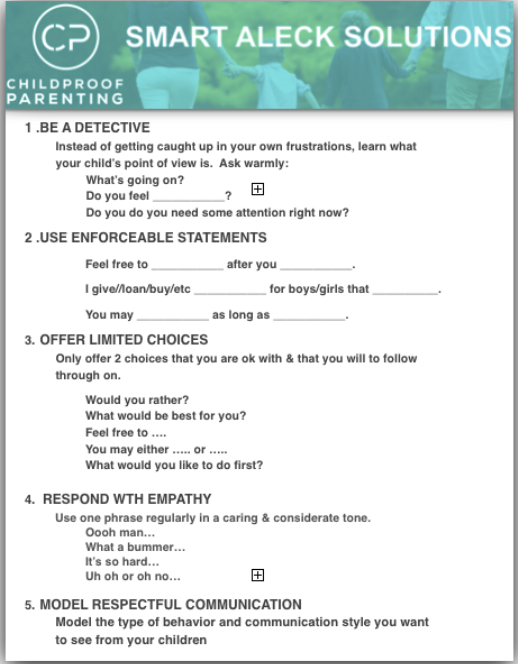
Five Ways to Handle the Attitude Without Losing Your Mind
Play Detective First
Before you react, check in with yourself. The sarcasm and dismissiveness of a teenager can trigger something primal in a parent — a mix of anger, hurt, and a desperate need to reassert authority. Notice that. Take a breath. If you respond from that place, the conversation will escalate fast.
Then get curious about your teen. Instead of firing back, try something like, "You seem really frustrated — what's actually going on?" With older kids especially, open-ended questions work better than putting words in their mouth. Teenagers are acutely sensitive to feeling talked down to, and assuming you know what they're feeling will almost always backfire. Give them space to tell you themselves.
Lead with Empathy, Not a Lecture
Teens aren't generally thinking, I'm going to be a jerk today just to see what happens. Their behavior is driven by emotions they often can't fully articulate — social anxiety, academic pressure, identity confusion, or just the low-grade overwhelm of adolescence. They're reactive, not calculating.
Once you have a sense of what's driving the attitude, name it without excusing the behavior: "It sounds like you're really stressed about what's going on with your friends, and I get that. But talking to me like that isn't something I'm going to accept." You're validating the emotion while holding a clear line on how you expect to be spoken to. That combination is far more effective than punishment alone — and it keeps the door open for a real conversation.
Say What You'll Do, Not What They'd Better Do
Ultimatums are tempting, but they rarely work with teenagers — and if you don't follow through, you've just taught them your limits are negotiable. Instead of "If you keep this up, you're losing your phone," try statements that reflect what you control: "I'm happy to drive you to your friend's place once we can talk without the sarcasm," or "I'm here and I want to help, but not while you're speaking to me like that."
This approach removes the power struggle. You're not threatening — you're simply being clear about what you're willing to engage with. Teens respond better when they don't feel cornered, and this gives them the chance to choose a different approach.
Give Them Real Autonomy
A lot of teenage attitude is a protest against feeling controlled. At this age, the need for independence is biological — their developing brains are literally wired to push back against authority. Fighting that current is exhausting and usually futile.
Instead, look for places where you can genuinely hand over control. Let them make real decisions about their schedule, their space, their friendships, and their own mistakes where the stakes are manageable. When teens feel like they have meaningful agency in their lives, they have far less to rebel against. Save the firm limits for things that actually matter — safety, respect, core responsibilities — and loosen the grip on everything else.
Be Honest About Your Own Communication
This one stings a little, but it matters: your teenager is watching how you handle frustration, conflict, and stress. If they see you snap at your partner, complain bitterly about a coworker, or shut down when a conversation gets hard, they are absorbing that as a model for how adults communicate.
You can't credibly demand respectful communication while modeling the opposite. If you're carrying tension from work or a hard day, say so — straightforwardly, without making them your emotional outlet. Showing them what it looks like to name your feelings and handle conflict with honesty and restraint is one of the most powerful things you can do. They're watching far more closely than they let on.
The teen years can feel like a long, bumpy detour in your relationship — but how you navigate it matters enormously. Staying curious, setting clear expectations with warmth, and keeping the relationship the priority over winning any individual argument will go a long way. The kid who thinks you're the most embarrassing person alive right now? They still need you — they're just not going to say so.